

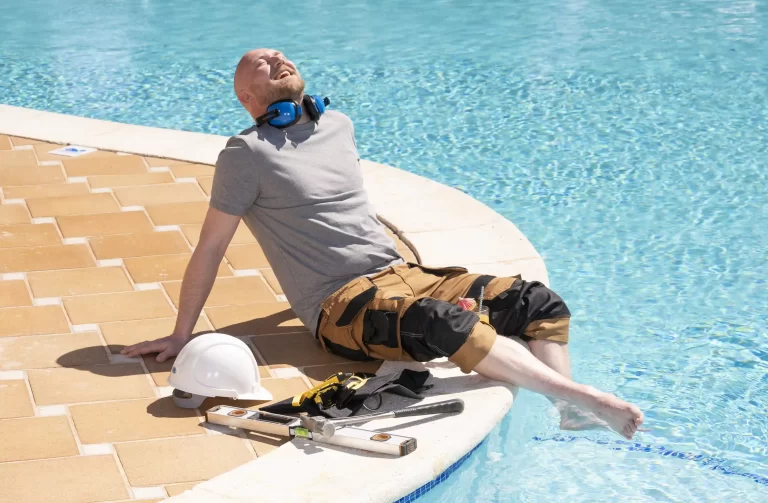
Small business owners across the UK are finding it increasingly difficult to truly switch off, with new research revealing that nine in ten entrepreneurs continue to work even when they’re supposed to be on holiday.
Dubbed a ‘downtime deficit’ by global travel and leisure company TUI, the national study has shed light on how deeply ingrained work culture is among the self-employed, with the majority admitting they take just five days off annually – a stark contrast to the average 17 days of leave taken by those in standard 9 to 5 roles.
This growing imbalance between work and rest is pushing some business owners to reconsider how they manage their time off.
READ MORE: Prosecutor says exiled Chinese tycoon stole $1 billion to bankroll extravagant lifestyle
Two entrepreneurs, both passionate about their careers but feeling the weight of constant hustle, are now choosing to change their mindset about holidays.
They hope that by sharing their experiences, others in similar situations might feel empowered to prioritise rest and step back from the non-stop grind.
One of them is Tom Plumridge, a 32-year-old self-employed builder based in Buckinghamshire. Despite loving the freedom and flexibility that comes with being his own boss, Tom hasn’t had a full two-week holiday since he was 21.
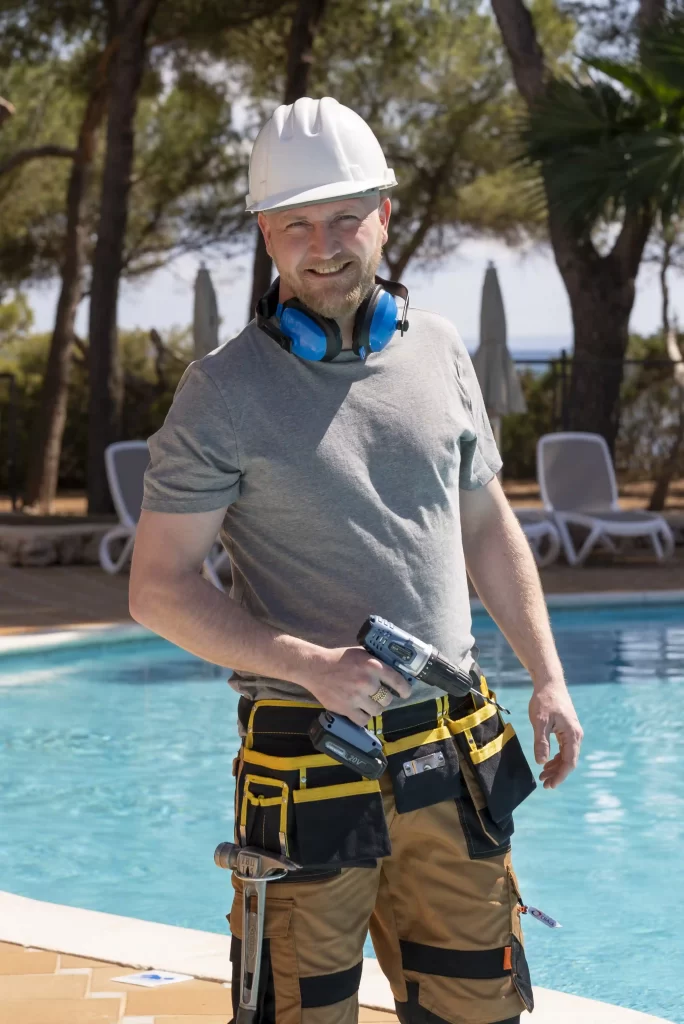
He says the pressure of keeping up with work makes it difficult to fully relax when away. “As a business owner, your brain never fully switches off.
There’s always a job to think about or a fear that someone else might take a client if you’re not around,” he explained. But with a baby on the way, Tom’s perspective is shifting.
“My priorities have changed now. Once the baby arrives, I want to make time to create memories with my family – and that includes stepping away from work to actually enjoy holidays.”
For Tom, the benefits of self-employment are still clear – being able to set his own schedule, work with different people regularly, and not be tied to a desk. However, even those perks don’t outweigh the need for proper downtime anymore.
Zavia, a self-employed personal trainer from Manchester, shares a similar story. Her deep commitment to helping her clients often comes at the expense of her own wellbeing.
“I’m passionate about what I do – it’s not just my job, it’s my life,” she said.
Her dedication means she’s constantly ‘on’, acting as a motivator and support system for those she trains, even when she should be resting.
“One of my clients had health and fertility issues, and training helped turn things around for her. That kind of result keeps me going – but it also makes it hard to switch off.”
Although she does manage to travel occasionally, Zavia says those trips are usually tied to work and rarely involve proper rest. Even during a recent solo trip to Portugal, she spent most of her time checking her phone between sightseeing and hiking.
“I try to sneak in moments for myself, but I never truly disconnect,” she admitted.

According to TUI’s survey, 97% of entrepreneurs continue working while on holiday, and 35% of them clock in around four hours of work each day, even when they’re supposed to be off-duty.
Nearly half say they’re simply too passionate about growing their businesses to unplug completely, while around one in five strongly agree that time away helps reset their focus.
At the same time, a significant number – around 45% – only managed to take between three and four days off last year, and 65% admitted to cancelling planned holidays due to work obligations.
Zavia knows this trade-off well. She sees her clients’ transformations happening in real-time, and the feedback she receives reminds her why she loves her work. “They tell me they’ve never felt better about themselves, and I love that.
But I also see others going away and being able to fully switch off, and I want that for myself too. That’s why TUI’s campaign means so much – it’s a much-needed reminder that taking time to recharge is just as important as the work itself.”
To support entrepreneurs like Zavia and Tom, TUI has launched a campaign offering small business owners the chance to win one of three fully-funded holidays.
Anyone can nominate an entrepreneur they believe deserves a proper break by visiting www.tui.co.uk/content/downtime-deficit.
Entries are open until June 8, 2024, and the winners will be able to redeem their trip within the next three years.
Andrew Flintham, managing director of TUI UK&I, said: “It’s inspiring to see so much drive across the country. At TUI, we believe everyone, including those building their businesses from the ground up, deserve a proper break – whether that’s unplugging completely on a beach or exploring a new city with no distractions.
We’re proud to be able to give hard-working entrepreneurs a well-earned chance to rest, and we encourage everyone to put forward someone they know who could really use that time away.”
As the conversation around burnout and balance becomes more important, the data also highlights which professions are most affected by the lack of rest. Topping the list are personal trainers, with 35% saying they took just one or two days off last year.

Other professions with minimal time off include photographers and videographers (27%), designers (25%), plumbers (22%), and makeup artists (20%).
Electricians, hairdressers, builders, chefs, farmers, beauticians, and shopkeepers also ranked high in the ‘no time off’ category.
For many of them, the passion for their craft is undeniable. But as more people like Tom and Zavia start to reflect on the toll that always being ‘on’ can take, the message is becoming clearer – real rest isn’t a luxury, it’s a necessity.